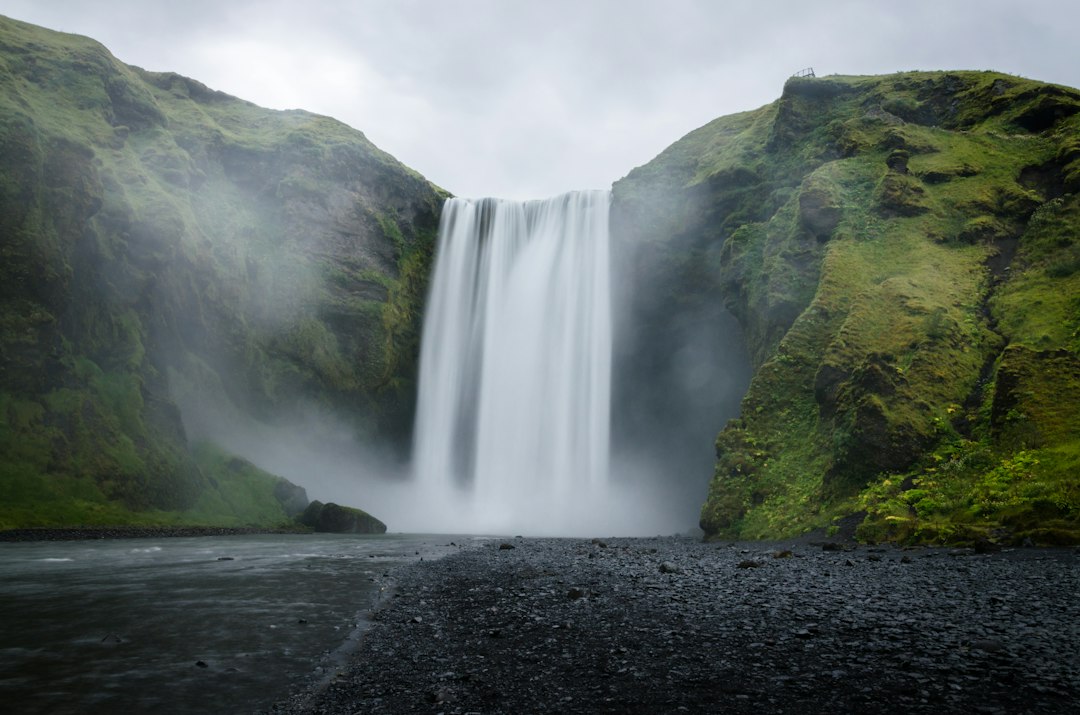
In Iceland, water is never far from the story of the landscape. Rain, snowmelt and glacial rivers shape valleys and cliffs, creating waterfalls that range from delicate ribbons to immense curtains of spray. Visiting them is as much about understanding the terrain as it is about taking photographs.
Why the scenery changes so quickly
Iceland sits on an active volcanic zone and has been shaped by glaciers over long periods. The result is a varied landscape of basalt formations, broad plains and steep-sided valleys. Waterfalls often appear where rivers meet changes in rock structure or drop from older plateau edges.
Travel with the weather in mind
Conditions can change rapidly. Paths may be wet, icy or exposed to strong winds, and spray can make surfaces slippery even in summer. Wear shoes with good grip, stay behind barriers and follow local safety signs. Never approach an unstable edge for a better photograph.
Build a realistic route
Distances on a map can be misleading when weather and road conditions are involved. Allow generous time, check road information before departure and avoid trying to see every waterfall in a single day. The official SafeTravel Iceland service provides useful safety updates for visitors.
The most rewarding waterfall stop may be the one where you pause long enough to notice the sound, the shifting light and the landscape that feeds the river.