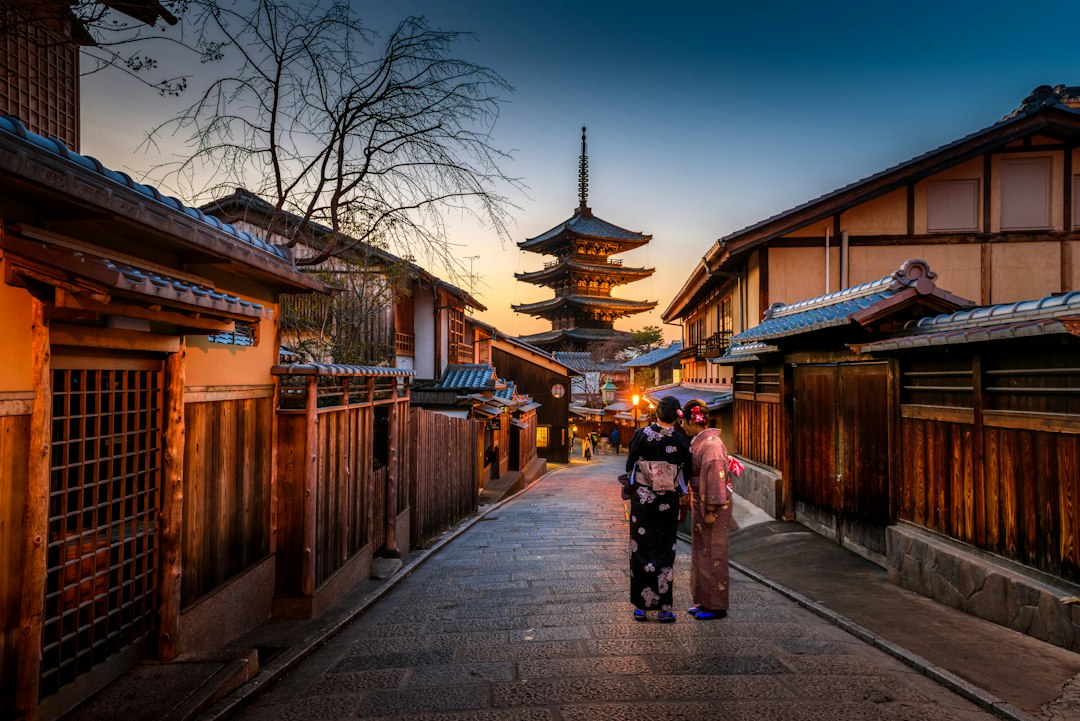
Kyoto is a city best approached on foot. Its historic districts reveal themselves gradually: a wooden façade, a narrow lane, a quiet shrine entrance or the sound of footsteps on stone. The city was Japan’s imperial capital for more than a thousand years, and its architectural and cultural layers remain visible in everyday neighbourhood life.
Begin with the atmosphere, not a checklist
Visitors often arrive with a long list of famous temples. Those places are worth seeing, but the spaces between them can be just as memorable. Early morning walks offer softer light and a calmer pace. In popular districts, arriving before the busiest hours makes it easier to appreciate the scale and detail of the streets.
Respect the living city
Historic neighbourhoods are not open-air film sets; people live and work there. Keep voices low, avoid blocking narrow lanes for photographs and follow signs around private entrances. When visiting a temple or shrine, take a moment to understand local etiquette and observe how others behave.
Plan a route with room to wander
Choose one or two nearby areas rather than racing across the city. A slower route leaves space for a small museum, a tea stop or an unexpected garden. For practical visitor information, consult the official Kyoto travel guide before your visit.
Kyoto’s enduring appeal is not only its famous monuments. It is the way history and modern life share the same streets, inviting visitors to look carefully and move thoughtfully.