Exploring the Azores: Volcanic Lakes, Coastal Trails and Island Life
Discover the Azores through volcanic lakes, crater viewpoints, coastal villages and walking trails, with practical advice for planning a slower island journey.
In the middle of the Atlantic, the Azores feel wonderfully removed from the usual European travel circuit. This Portuguese archipelago is shaped by volcanic landscapes, green pasture, black-rock coastlines and small towns where daily life still follows the rhythm of the sea and weather. It is a destination for travellers who enjoy open landscapes more than packed attraction lists.
Start with São Miguel
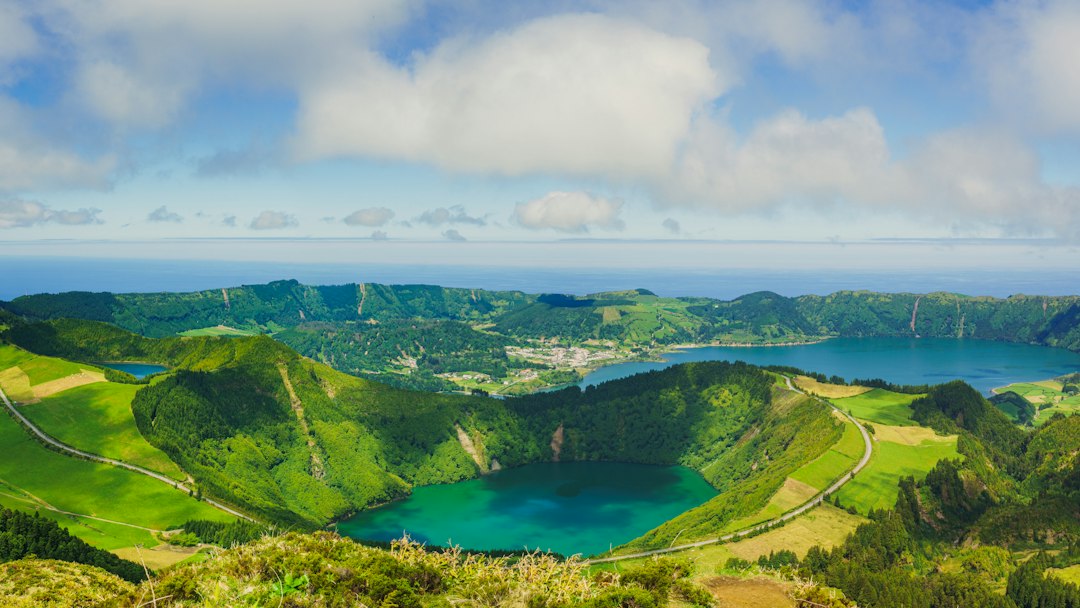
São Miguel is often the easiest island for a first visit because it combines crater lakes, thermal areas, coastal scenery and a good range of accommodation. Sete Cidades is one of its best-known landscapes: twin lakes sit inside a vast volcanic caldera, with viewpoints looking across green slopes towards the Atlantic. The colours change with cloud, sunlight and season, so allow time rather than treating the viewpoint as a quick photo stop.
The official Azores trail guide describes the Vista do Rei route down towards the village of Sete Cidades. It is around 7.5 kilometres and classified as easy, although the descent includes sections that can be slippery. Check the latest route notes before setting out: official Vista do Rei trail information.
Look beyond the famous viewpoints
Furnas offers a different side of the island, with geothermal activity, gardens and a landscape shaped by heat beneath the surface. The area is best enjoyed slowly. Walk around the lake, learn about the local cooking traditions and leave enough time to explore the village. On the north coast, smaller settlements and viewpoints offer a quieter contrast to the main attractions.
If you have several days, consider adding another island rather than trying to see every corner of São Miguel. Pico is known for its volcanic mountain and vineyards; Faial has a strong maritime character; Flores is celebrated for waterfalls and dramatic green scenery. Inter-island flights and ferries depend on season and weather, so confirm schedules before building a tight itinerary.
Walking is one of the best ways to understand the islands
The Azores have marked walking routes across coastal paths, crater rims and rural landscapes. Choose a trail that matches your fitness and the forecast. Atlantic weather can change quickly, and a route that looks straightforward on a clear morning may become exposed in wind or rain. Wear shoes with grip, carry water and download route details before leaving an area with reliable mobile coverage.
Use official trail information rather than relying only on old map screenshots. The Azores Trails portal lists routes by island, difficulty and distance. Follow signs, stay on marked paths and avoid walking across farmland or fragile vegetation.
Coastal villages and local food
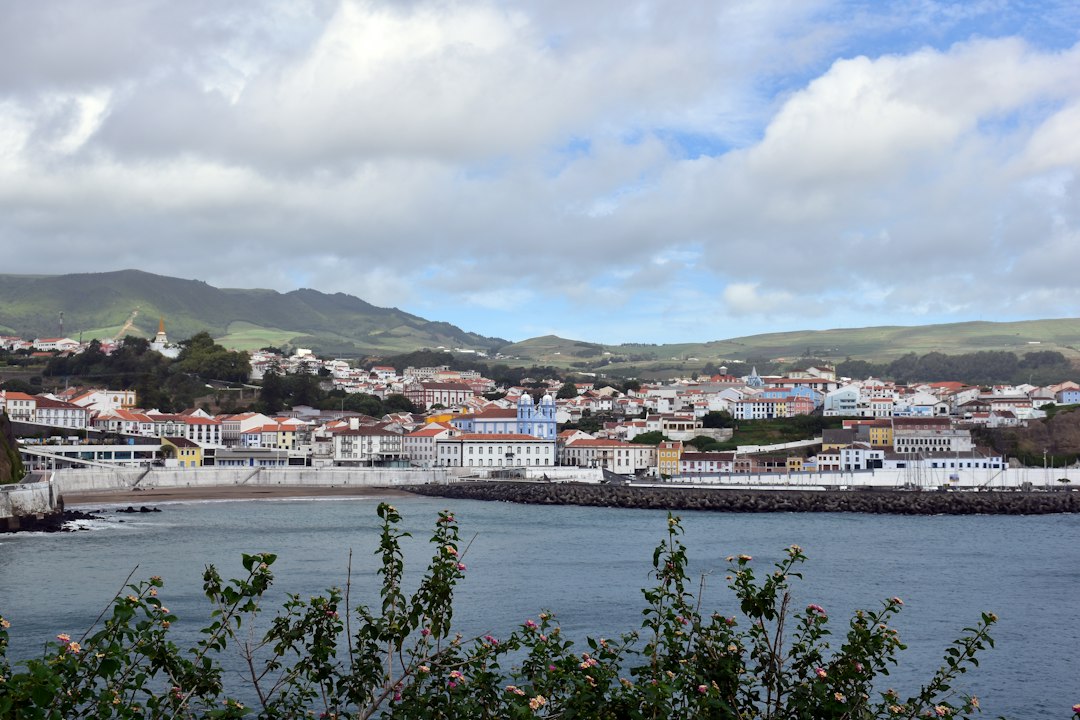
Small harbours, fishing communities and village cafés are part of the appeal. Give yourself time for a meal built around local fish, seafood, cheese and seasonal produce. Menus vary from island to island, and a family-run restaurant may keep different hours from a city restaurant. A little flexibility makes the experience easier.
When visiting villages, remember that the scenery is also someone’s home and workplace. Keep noise down, do not block narrow roads for photographs and ask before taking pictures of people or private property. Buy from local shops where possible and treat natural swimming areas with care.
When to visit and how long to stay
Summer generally offers longer days and more settled conditions, but it is also a popular period for accommodation and inter-island travel. Spring and early autumn can be rewarding, with fewer visitors and changing colours across the landscape. Weather is variable throughout the year, so pack layers and rain protection whatever month you choose.
For a first trip, allow at least four or five days on São Miguel. A week or more gives you room to add another island without turning every day into a transfer day. Avoid assuming that a short ferry ride or flight will always run exactly as planned; weather can affect island connections.
Travel at the pace of the Atlantic
The Azores are not a destination that needs to be conquered. A memorable day might include a morning walk above a crater lake, a long lunch in a village and an unplanned stop at a coastal viewpoint. Keep the itinerary light, respect the landscape and let local conditions guide the day.
For official planning information, begin with Visit Azores and its trail network. If you enjoy journeys shaped by landscape and local life, you may also like our guide to slow travel in Patagonia.