
Patagonia, Slowly: Mountains, Trails and the Art of Travelling South
A thoughtful guide to Patagonia’s vast landscapes, Torres del Paine, seasonal travel, responsible hiking and realistic itineraries.
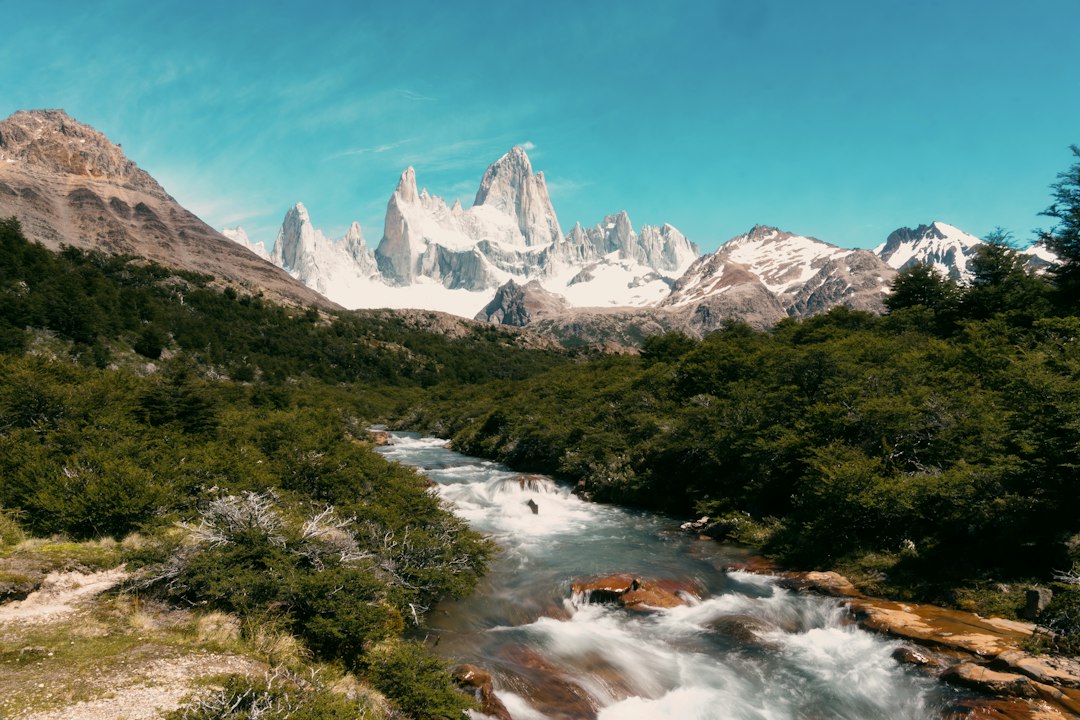
Patagonia has a way of making distance feel tangible. Roads run between wide open steppe, glacial lakes and mountains that seem to rise straight from the horizon. Shared by Argentina and Chile, this vast southern region is not a single destination but a collection of landscapes, small towns and protected areas. A first visit is most rewarding when it is planned around a particular region rather than an ambitious attempt to see everything.
Understanding the scale of Patagonia
Patagonia covers an enormous area, and journeys between highlights can take much longer than a map first suggests. Travellers often combine time in Argentina’s lake district or around El Calafate with a visit to Chilean Patagonia, but crossing between countries involves border formalities and careful transport planning. Choose a manageable route and allow spare time for weather, road conditions and connections.
The landscape changes as you travel. In some areas, the Andes create dramatic peaks, forests and deep blue lakes. Further east, the scenery opens into dry steppe, broad horizons and windswept plains. This variety is part of Patagonia’s appeal: a trip can include quiet lakeside towns, demanding mountain walks and long scenic drives without feeling like the same experience repeated.
Torres del Paine and the drama of the mountains
Chile’s Torres del Paine National Park is among the region’s best-known protected landscapes. Its granite towers, lakes, glaciers and open grasslands attract walkers and photographers, but the park is not only about the famous viewpoints. Short walks, wildlife watching and scenic drives can also reveal the scale of the environment.
Conditions can change quickly. Strong winds, rain and sudden temperature drops are possible even when the morning begins calmly. Check park notices and trail conditions before setting out, carry layers and water, and be realistic about distance and elevation. For official park information, routes and visitor rules, consult Chile’s CONAF information for Torres del Paine National Park.
Choose a travel style that suits the landscape
Patagonia can be explored in several ways. Independent travellers may rent a car for flexibility, while others prefer buses between established towns and guided excursions for remote areas. A guided walk can add useful context about local ecology, geology and weather, particularly on routes where conditions require experience. There is no single correct approach; the best option depends on time, budget and confidence outdoors.
Multi-day trekking routes are rewarding but require preparation. Accommodation on popular trails can sell out during busy periods, and some routes operate with booking or access rules. Reserve essential services ahead of time, understand what equipment is supplied and carry a plan for changing weather. If you prefer a less demanding visit, choose day walks from a settled base and leave longer routes for another trip.
When to visit Patagonia
The warmer months in the Southern Hemisphere, broadly from late spring through early autumn, are popular for hiking and longer days. They are also busy, and wind can remain a constant feature. Shoulder seasons may bring fewer visitors but also shorter daylight hours and reduced services. Winter offers a different atmosphere, although some roads, trails and tourism operations may be limited.
Rather than choosing dates based only on a photograph of clear skies, consider which activities matter most. If hiking is the priority, check the operating season for the specific trail and accommodation. If scenic drives and quieter towns appeal more, you may have greater flexibility. Always verify local conditions close to departure.
Wildlife and the importance of travelling lightly
Patagonia is home to guanacos, foxes, condors and a range of other wildlife. Seeing animals in their natural environment can be a highlight, but patience and distance matter. Never feed wildlife or approach animals for a photograph. Use established paths, keep food stored properly and follow guidance in protected areas.
Wind and dry conditions can make fire a serious risk in parts of the region. Use only designated facilities where permitted, follow fire restrictions and never leave a flame unattended. Pack out rubbish and avoid disturbing plants, rocks or nesting areas. These habits help protect landscapes that can take a long time to recover from damage.
Building a realistic itinerary
For a first trip, focus on one side of Patagonia or connect only a few well-served areas. A week can disappear quickly once travel days are included, while two weeks allows a more comfortable combination of towns, viewpoints and walks. Avoid booking every day too tightly. A flexible day can be valuable when a mountain pass is windy or a trail is temporarily closed.
Think about how you will arrive and depart, whether you need to cross an international border and how much luggage you want to carry on buses or domestic flights. Keep copies of reservations and check baggage rules for regional transport. In remote areas, mobile coverage can be limited, so download maps and essential information before leaving a town.
What to pack for changing conditions
Layering is more useful than relying on one heavy jacket. A windproof and waterproof outer layer, warm mid-layer, comfortable walking shoes and quick-drying clothing are practical basics. Sunglasses and sun protection are useful even on cool days, while a small first-aid kit and reusable water bottle help on longer outings. Match equipment to the route rather than assuming every visitor needs technical trekking gear.
Let Patagonia set the pace
The region rewards travellers who leave room for the unexpected: a cloud lifting from a peak, a quiet stretch of road beside a lake or an afternoon spent watching changing light across the steppe. For another landscape shaped by water and weather, explore our guide to Iceland’s waterfalls. Patagonia is immense, but a thoughtful route makes it feel less like a checklist and more like a journey.