
Beyond the Cities: Discovering Rural Japan by Train and on Foot
Explore Japan’s quieter regions through local rail journeys, mountain villages, seasonal food and respectful countryside travel.
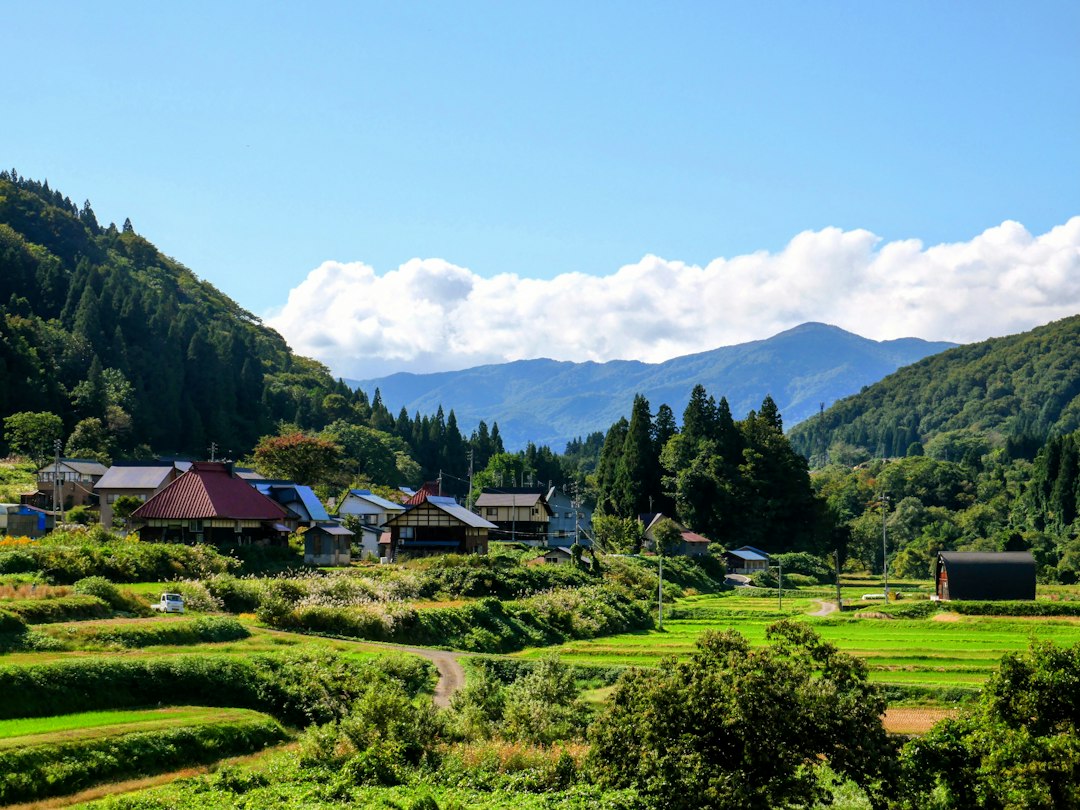
Japan is often imagined through its great cities, but some of the country’s most memorable journeys begin when the train leaves the urban edge and heads towards the mountains. Rural valleys, cedar forests, farming villages and small stations reveal a quieter side of the country. Travelling through these regions is not simply a way to reach a destination; it is an invitation to notice how landscape and everyday life fit together.
Look beyond the familiar city route
Tokyo, Kyoto and Osaka offer extraordinary variety, yet a first trip does not have to remain within the busiest urban corridors. The Japanese Alps, parts of Tohoku, the Kiso Valley and rural areas of Kyushu each offer a different combination of scenery, food and local traditions. Choose one region that connects naturally with your wider itinerary rather than trying to cross the entire country in a few days.
Mountain areas can feel surprisingly close to major cities, but travel times still deserve attention. A route may involve limited express trains, local services or a bus connection. Check the full journey, including the final connection to your accommodation, and remember that rural services may run less frequently than city trains.
The journey is part of the experience
Japan’s rail network makes it possible to watch the scenery change gradually. Dense neighbourhoods give way to suburbs, rivers and wooded slopes. On local lines, smaller stations can be destinations in their own right, with quiet platforms and glimpses of daily routines. Resist the temptation to treat every stop as a photo opportunity; some places are working communities where people are simply going about their day.
When planning a rail journey, confirm whether a route requires seat reservations and whether luggage needs special arrangements. Keep an eye on the last train or bus if you are staying outside a major town. A missed connection in a rural area can be more difficult to solve than one in a large city.
Explore villages with respect
Traditional houses, local markets and small workshops can make rural visits feel personal, but these are not museum sets. People live and work in these places. Keep voices low, avoid entering private property and ask before photographing residents or the interiors of shops. If a local attraction has posted rules, follow them even when the area appears quiet.
Some historic routes and villages have become popular with visitors, particularly during autumn foliage and spring blossom seasons. Arriving early can ease congestion, but it is just as important to keep pathways clear and respect local signs. Consider staying overnight in a smaller town rather than making a rushed day trip; this gives you more time to enjoy the place after day visitors have left.
Food tells a story of place
Regional food is one of the pleasures of travelling beyond Japan’s largest cities. Mountain areas may be known for soba noodles, pickled vegetables, river fish or dishes that reflect the local climate and harvest. Menus vary by season and by town, so ask what is locally prepared rather than expecting the same dishes everywhere.
Small restaurants may have limited seating or specific opening days. Carry some cash, be patient if a menu is not available in English and use translation tools politely when needed. Convenience stores can be helpful in rural areas, but they are not a substitute for trying a local meal when the opportunity arises.
Choose the right season
Spring brings blossoms to many regions, while autumn colours transform forests and mountain slopes. Both seasons can be busy, and the timing of blossoms or foliage varies with elevation and weather. Summer brings greener landscapes but can also be humid, rainy or hot depending on the region. Winter opens the door to snow scenery and winter sports, although transport and road conditions may require extra planning.
There is no universal best month for rural Japan. Match the season to the experience you want, then check local forecasts and operating schedules. Mountain weather can differ from conditions in a nearby city, and some walking routes or attractions close seasonally.
Walking in the countryside
Short walks can be a rewarding way to understand a region. Look for signed paths, riverside routes and sections of historic roads, but check distance and elevation before setting out. Wear shoes suited to uneven surfaces and carry water, especially in warmer months. If a trail is marked as closed or conditions are poor, choose another route rather than trying to find an unofficial way through.
Be mindful of wildlife and agricultural land. Do not feed animals, enter fields without permission or leave food waste behind. In some areas, local guidance may include seasonal precautions around bears or other wildlife. Follow current advice from visitor centres and local authorities.
Make room for small-town stays
One night in a smaller destination can change the rhythm of a trip. A family-run inn, a simple guesthouse or a traditional lodging may provide a closer connection to local hospitality. Read the accommodation details carefully, especially meal times, check-in arrangements and shared facilities. If you have dietary requirements, communicate them in advance rather than assuming every property can accommodate last-minute requests.
Respect quiet hours and local customs, particularly in accommodation with shared baths or communal dining. A little preparation helps avoid awkward moments and makes the stay more comfortable for hosts and guests alike.
Practical planning for a smoother trip
Download offline maps, keep your accommodation address available in Japanese and carry a portable battery for long travel days. Check transport timetables shortly before departure because seasonal schedules and service disruptions can affect rural connections. If you are using a rail pass or regional ticket, read its coverage carefully; not every train or bus is necessarily included.
Pack for the season and keep luggage manageable. Some stations have limited storage, and carrying a large suitcase on local buses can be inconvenient. Luggage forwarding services may be useful when moving between larger hotels, leaving you free to travel with a smaller overnight bag.
A different way to experience Japan
Rural Japan is not a single destination or a shortcut to an untouched past. It is a living mix of agriculture, small businesses, local transport and changing traditions. Travelling slowly makes it easier to appreciate these details and to spend money with local hosts and businesses. If you are also planning time in the country’s historic capital, continue with our guide to walking through Kyoto.
The most rewarding journey may be the one with fewer stops: a train ride through a green valley, a meal made with local ingredients and enough time to notice the place beyond the station platform.