
Uzbekistan Along the Silk Road: Samarkand, Bukhara and Khiva
Follow Uzbekistan’s historic Silk Road cities through Samarkand, Bukhara and Khiva, with practical advice on transport, seasons, architecture and respectful travel.
Uzbekistan is one of Central Asia’s most rewarding destinations for travellers interested in architecture, history and the stories carried along old trade routes. The names Samarkand, Bukhara and Khiva have an almost legendary sound, yet these are not simply monuments preserved for visitors. They are living cities where markets, neighbourhoods, workshops and everyday routines sit alongside some of the most remarkable Islamic architecture in the region.
A journey through Uzbekistan works best when it is treated as a sequence of distinct places rather than a race to collect famous buildings. Each city has its own character: Samarkand feels monumental, Bukhara is intimate and layered, while Khiva offers the atmosphere of a walled desert town. Allowing time for the spaces between the highlights makes the route far more memorable.
Why the Silk Road still matters
The Silk Road was never one single road. It was a network of trading routes connecting Central Asia with China, the Middle East, the Mediterranean and beyond. Merchants, scholars, craftspeople and religious communities moved through the region, exchanging goods and ideas as well as languages, techniques and beliefs. Cities grew wealthy because of their position along these networks, and their architecture reflected that influence.
Uzbekistan’s historic centres make this history visible. Tilework, monumental gateways, courtyards, caravanserais and religious schools tell stories of patronage and craftsmanship. Look closely at the details: geometric patterns, calligraphy, carved wooden doors and the way buildings frame courtyards. The experience is richer when you understand that these places were designed for learning, worship, trade and civic life, not only for photographs.
Samarkand: monumental beauty and deep history
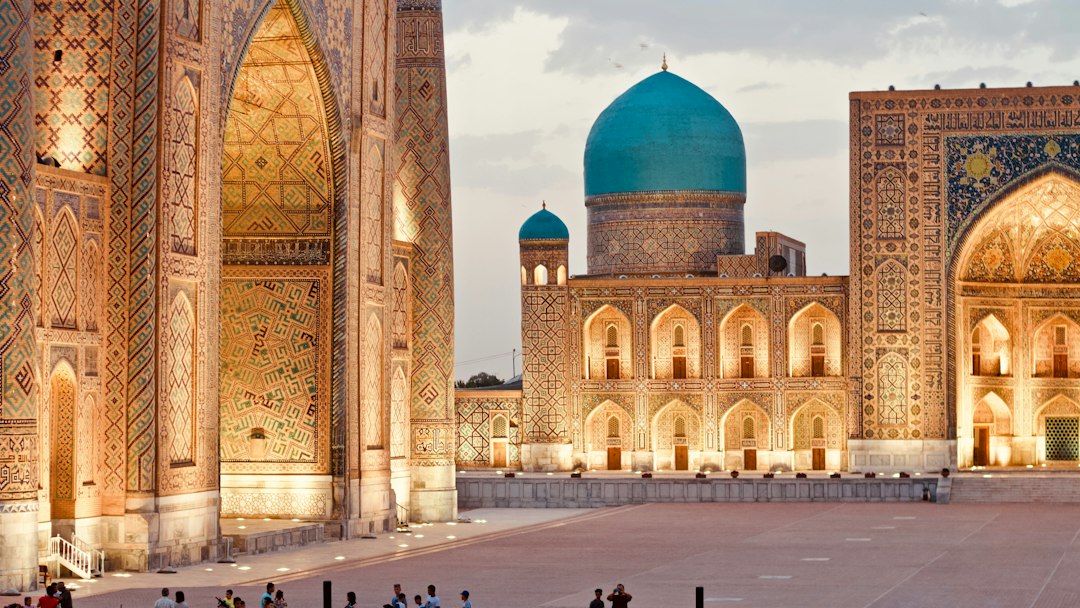
Samarkand is often the first image people associate with Uzbekistan. Registan Square, framed by three grand madrasas, is the city’s architectural centrepiece. Its blue mosaics, patterned façades and immense portals are impressive at any time of day, but the changing light can make an early morning or late afternoon visit especially rewarding.
Do not limit a visit to Registan. The Gur-e-Amir mausoleum, Shah-i-Zinda necropolis and Bibi-Khanym Mosque each offer a different perspective on the city’s past. Shah-i-Zinda is particularly atmospheric: a sequence of richly decorated mausoleums lines a narrow passage, creating a sense of movement through several centuries of craftsmanship. Dress respectfully and remember that some sites continue to have religious significance.
Samarkand is also a working city. Step away from the main monuments to find neighbourhood bakeries, produce markets and local restaurants. Try regional dishes such as plov, fresh bread and seasonal fruit. Ask before photographing people, particularly inside shops or family-run businesses.
Bukhara: a city made for wandering
Bukhara rewards a slower pace. Its historic centre is a compact network of lanes, courtyards and trading domes, making it easy to explore on foot. The Kalon Minaret and mosque form one of the city’s most recognisable views, while the Ark of Bukhara gives a sense of the city’s political history. Lyabi-Hauz, with its pool and surrounding buildings, is a natural place to pause between walks.
Allow time to explore the old trading areas. Traditional craft workshops and small shops sell textiles, ceramics, metalwork and embroidery. A purchase can be a meaningful way to support local makers, but ask how an item is produced and whether it is locally made. A little conversation often reveals more about the city than another hurried stop.
Bukhara is particularly atmospheric in the evening, when the historic streets become quieter and the illuminated monuments take on a different character. Staying within or near the old town makes it easier to enjoy a morning walk before the day’s visitors arrive.
Khiva: an open-air historic town
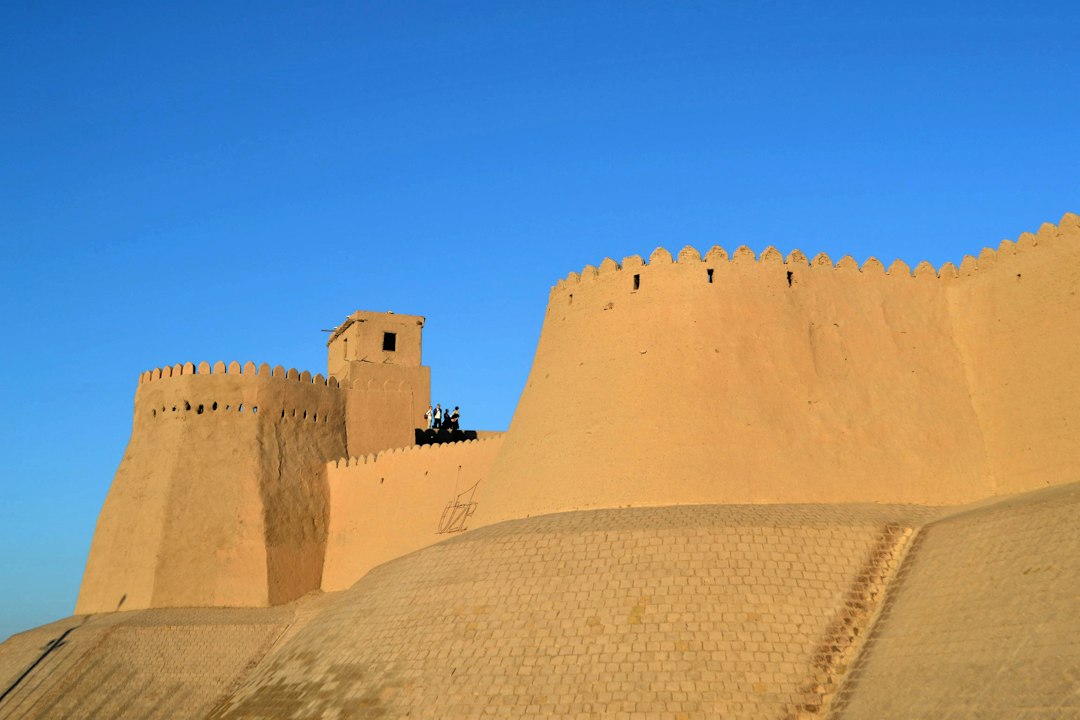
Khiva feels different from the other cities. Its walled inner town, Itchan Kala, contains mosques, minarets, madrasas and traditional houses within a clearly defined historic enclosure. Walking through the gates can feel like entering another era, although the town is still inhabited and used by local residents.
Climb a viewpoint where access is permitted to understand the layout of the old town, then return to the lanes and courtyards. The best moments are often small: a craftsman working at a bench, the shade of a courtyard in the afternoon or the sound of daily life behind a carved wooden door. Be considerate around homes and avoid treating private doorways as public photo sets.
How to travel between the cities
Many visitors connect Tashkent, Samarkand and Bukhara by train, with onward travel to Khiva by rail or a combination of train and road transfer. High-speed services can make some journeys much quicker than travelling entirely by road, but timetables and seat availability vary. Book popular departures ahead when possible and confirm the station shown on the ticket; large cities can have more than one rail station or a station located outside the centre.
For Khiva, plan the final transfer carefully. The railway station is outside the old town, so check how you will reach your accommodation and whether a hotel transfer is included. Keep a little flexibility in the schedule rather than arranging a tight connection after a long journey.
When to visit and what to pack
Spring and autumn are generally comfortable periods for exploring Uzbekistan’s cities. Summers can be very hot, particularly in desert regions, while winter brings colder conditions and shorter daylight hours. Weather varies between regions, so check forecasts for each stop rather than relying on a single national average.
Pack light, breathable clothing for warmer months, a layer for cooler evenings and comfortable shoes for stone streets and courtyards. Sun protection and a refillable water bottle are useful. In religious sites, clothing that covers shoulders and knees is a respectful choice; some locations may have additional rules.
Food, etiquette and responsible travel
Uzbek food is an important part of the journey. Plov, lagman noodles, samsa pastries, soups and fresh bread vary by region and household. Try local restaurants beyond the most prominent squares, and be open to seasonal menus. If you have dietary needs, explain them clearly before ordering, as ingredients and preparation styles may differ from what you expect.
Respect local customs, especially around religious buildings and family spaces. Ask before taking portraits, avoid entering restricted areas and follow signs at heritage sites. Choose locally run guesthouses and guides when possible, and buy directly from artisans if you want to take home crafts. These small decisions help keep tourism connected to the people who make each city distinctive.
Build a route with room to breathe
A week can provide a useful introduction to Samarkand, Bukhara and Khiva, but adding Tashkent or other regions requires more time. Two or three nights in each historic city is a comfortable starting point for travellers who want to explore beyond the main monuments. If your schedule is short, reduce the number of stops instead of spending every day in transit.
For broader destination information, check the official Uzbekistan travel portal and confirm transport details with the relevant rail operator before departure. You can also continue exploring the region through our guide to slow journeys beyond major cities.
Uzbekistan is at its best when history is given time to unfold. Look beyond the famous blue domes, pause in a market, listen to a local guide and allow the old Silk Road cities to reveal their differences. The monuments may bring you there, but the everyday life between them is what makes the journey stay with you.